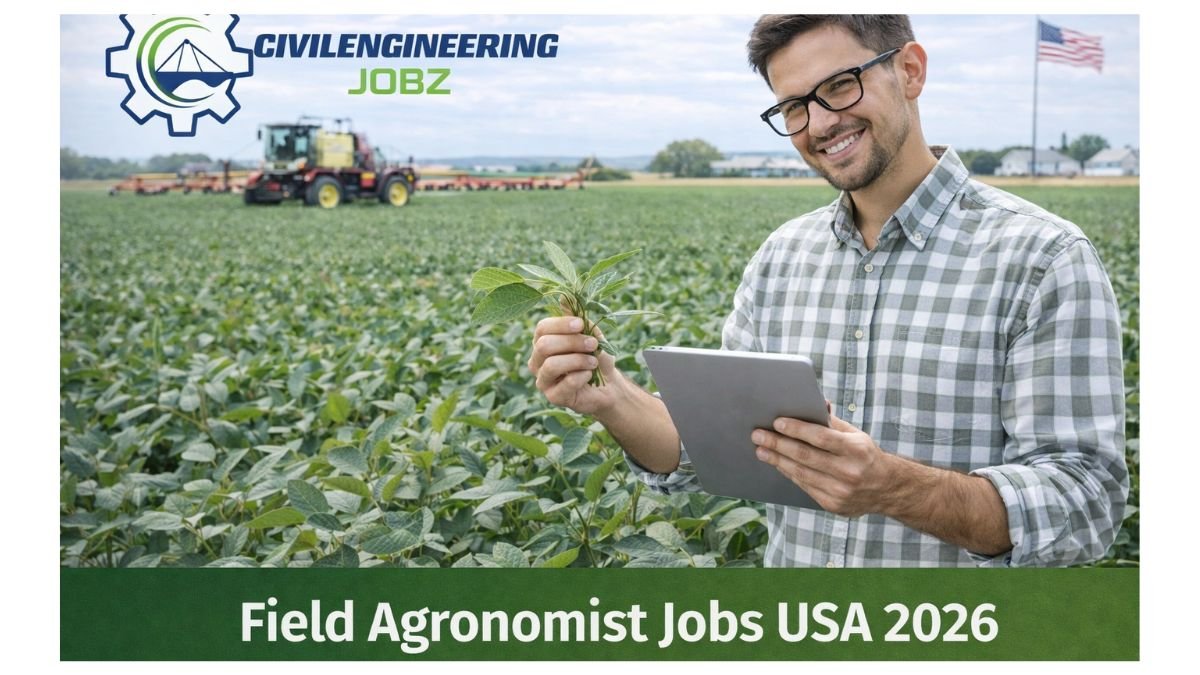
A large and progressive farm operation in the United States is actively seeking a highly motivated and detail-oriented Crop Scout / Field Agronomist to provide essential support for comprehensive crop production operations across extensive row crop and vegetable acres. This hands-on field position focuses on systematically monitoring crop health throughout the growing season, proactively identifying potential agronomic issues before they impact yield, and supporting farm managers with critical agronomic insights and data-driven recommendations that optimize crop performance and maximize production outcomes.
Application & Contact Information
Phone/Text: (816) 704-5416
How to Apply: Submit Your Resume
Recruiter: GPAC (Growing People and Companies)
Important Note: Only qualified applicants will be contacted
Comprehensive Position Overview
This Field Agronomist / Crop Scout position represents an exceptional career opportunity to join a large, well-established, and progressive farm operation that is committed to implementing modern agricultural best practices and leveraging agronomic expertise to support comprehensive crop production across both traditional row crop acres and specialty vegetable production areas. The role places primary focus on monitoring crop health indicators, identifying potential agronomic issues early in their development, and providing farm management teams with critical, actionable agronomic insights throughout the entire growing season to enable proactive decision-making and optimize overall crop performance.
💡 Why This Field Agronomist Role Matters to Agricultural Success: As Field Agronomist serving in this crop scouting capacity, you function as the essential eyes and ears of the entire farm operation, providing early detection and identification of emerging crop issues, pest infestations, disease symptoms, and nutrient deficiencies that, if left unaddressed, could result in significant yield losses and reduced crop quality. Your systematic field observations, timely agronomic insights, and data collection activities directly support management decisions regarding pest control applications, nutrient management programs, irrigation scheduling, and harvest timing. Through conducting comprehensive soil and plant tissue sampling programs, you ensure optimal plant nutrition throughout critical growth stages, while your meticulous field recordkeeping enables sophisticated data-driven farming approaches that continuously improve operational efficiency and crop productivity year after year.
Comprehensive Responsibilities & Daily Duties
Systematic Crop Scouting & Comprehensive Field Monitoring
The Field Agronomist will conduct systematic, thorough crop scouting activities across all designated row crop fields (potentially including corn, soybeans, wheat, cotton, or other regional row crops) and vegetable production acres throughout the entire growing season from planting through harvest. This encompasses:
- Conducting systematic crop scouting walks following established protocols and monitoring schedules across row crop fields and vegetable production areas, ensuring comprehensive coverage of all production acres
- Monitoring crop development stages including germination, emergence, vegetative growth phases, reproductive development, grain fill or fruit set, and maturity progression to ensure crops are developing on schedule
- Assessing plant health indicators including leaf color and vigor, stem strength and structure, root development where visible, overall plant uniformity, and any signs of stress or abnormal development patterns
- Evaluating overall field conditions including soil moisture status, field drainage patterns, areas of poor emergence or thin stands, compaction issues, and any environmental stress factors affecting crop performance
- Identifying pest infestations through systematic scouting for insect damage, counting pest populations, assessing infestation severity and distribution patterns, and determining whether pest pressure has reached economic threshold levels requiring intervention
- Recognizing disease symptoms including leaf spots, blights, wilts, rusts, mildews, root rots, and other pathogen-caused conditions while documenting disease incidence, severity, and spread patterns throughout affected fields
- Assessing weed pressure levels by identifying weed species present, documenting weed density and distribution, evaluating control effectiveness from previous herbicide applications, and noting areas requiring additional weed management attention
- Identifying nutrient deficiencies through visual plant symptoms including chlorosis, necrosis, stunting, purpling, or other discoloration patterns that indicate specific macro or micronutrient deficiencies requiring correction
Soil Sampling Programs & Plant Tissue Analysis
- Performing systematic soil sampling for comprehensive agronomic analysis following proper sampling protocols including appropriate sampling depth, sample density, GPS coordinate documentation, and proper sample handling to ensure accurate laboratory results
- Conducting plant tissue sampling at appropriate crop growth stages for nutrient status assessment, following proper tissue selection protocols, sampling timing recommendations, and sample preparation procedures to ensure meaningful analytical results
- Preparing and organizing soil samples and plant tissue samples for proper submission to accredited agronomy laboratories including appropriate labeling, chain of custody documentation, and submission forms
- Assisting with soil test interpretation by reviewing laboratory results, comparing values to established sufficiency ranges and critical levels, and helping translate numerical data into actionable agronomic recommendations
- Supporting fertility planning activities by providing field-level observations and sampling data that inform fertilizer application decisions, nutrient management strategies, and soil amendment programs
Comprehensive Documentation & Detailed Recordkeeping
- Maintaining detailed crop scouting reports documenting all field observations including pest counts, disease incidence ratings, weed pressure assessments, crop development stage notes, and any unusual conditions or concerns identified during scouting activities
- Keeping comprehensive field records that track crop development progression over time, document pest and disease occurrence patterns throughout the season, record weather conditions and environmental factors, and create historical datasets valuable for multi-year trend analysis
- Performing systematic agronomic recordkeeping ensuring all data is accurately recorded, properly organized, readily accessible to farm management, and maintained in formats that support analysis and decision-making
- Assisting with agronomy data collection activities supporting precision agriculture initiatives, variable rate application programs, yield mapping projects, and other data-intensive farming technologies
- Supporting field mapping activities by documenting field boundaries, identifying management zones with distinct soil or topographic characteristics, recording GPS coordinates for specific problem areas or sampling points, and maintaining current field maps
Management Communication & Agronomic Decision Support
- Communicating timely field observations and potential crop issues to farm managers through daily or weekly scouting reports, verbal briefings, photographic documentation, and urgent alerts when immediate attention is required
- Supporting fertility planning and crop management decision-making processes by providing field-level data, observations, and insights that inform fertilizer applications, pest control timing, irrigation scheduling, and other critical management decisions
- Providing actionable agronomic insights that enable proactive management approaches rather than reactive crisis responses, helping farm managers stay ahead of potential problems and optimize crop inputs for maximum return on investment
- Participating in management meetings when appropriate to present findings, discuss field conditions, review scouting data, and contribute agronomic perspectives to strategic planning discussions
Comprehensive Qualifications & Requirements
Educational Background
- Bachelor’s degree (B.S.) in Agronomy providing comprehensive understanding of crop science, soil science, plant nutrition, integrated pest management, and crop production systems
- OR Bachelor’s degree in Crop Science with specialized focus on crop production systems, crop physiology, crop management practices, and agronomic decision-making
- OR Bachelor’s degree in Plant Science covering plant biology, plant physiology, plant pathology, entomology, and applied plant sciences relevant to crop production
- OR Bachelor’s degree in Agriculture, Agricultural Science, Agricultural Business with agronomy concentration, or closely related field demonstrating solid foundation in agricultural knowledge and crop production principles
- Coursework in agronomy, crop science, soil science, plant pathology, entomology, weed science, plant nutrition, and integrated pest management is highly valued and directly applicable to position responsibilities
Professional Experience
- Hands-on experience with crop scouting activities in row crop production systems (corn, soybeans, wheat, cotton, etc.) or vegetable crop production environments demonstrating practical understanding of crop monitoring protocols and pest identification
- Background and practical experience in soil sampling procedures including proper sampling techniques, appropriate sampling depths, GPS documentation, sample handling protocols, and agronomy laboratory processes
- Previous agronomy experience in farm production operations, crop consulting services, agricultural retail environments, or agricultural research settings demonstrating applied agronomic knowledge
- Familiarity with farm production operations including understanding of planting operations, fertility programs, pest management practices, irrigation systems, and harvest activities
- Experience with agricultural technology tools such as GPS devices, precision agriculture equipment, mobile data collection applications, or farm management software systems is beneficial
Technical Knowledge, Skills & Expertise
- Thorough familiarity with soil testing procedures including appropriate sampling protocols, understanding of soil test parameters (pH, organic matter, nutrient levels), and agronomic laboratory processes from sample submission through results interpretation
- Comprehensive knowledge of major row crops including corn (growth stages, nutrient requirements, common pests and diseases), soybeans (development stages, pest complexes, fertility needs), wheat, cotton, or other regionally significant row crops
- Understanding of vegetable crops including production requirements, crop-specific pest and disease challenges, crop health indicators, quality parameters, and harvest maturity assessment
- Strong knowledge of plant nutrition including macro and micronutrient functions, deficiency symptoms, fertilizer materials and application methods, and nutrient management best practices
- Ability to identify common agricultural pests including insects (identification, life cycles, damage symptoms, economic thresholds), diseases (symptom recognition, disease cycles, favorable conditions), and weeds (species identification, growth habits, competitive impacts)
Essential Professional Competencies & Personal Attributes
- Physical ability and willingness to work outdoors in varying and sometimes challenging weather conditions throughout the growing season including heat, humidity, rain, wind, and sun exposure while maintaining productivity and attention to detail
- Exceptionally strong observation skills enabling identification of subtle crop issues, detection of early pest or disease symptoms, recognition of nutrient deficiency patterns, and awareness of field-to-field variation in crop performance
- Excellent written and verbal communication skills for clearly reporting findings to farm managers, documenting observations in scouting reports, explaining agronomic concepts, and providing actionable recommendations
- Superior recordkeeping abilities ensuring accurate data collection, systematic documentation, organized record systems, and detailed notes that support analysis and informed decision-making
- Strong ability to work independently in field-based role with minimal direct supervision while maintaining productivity, following established protocols, exercising good judgment, and seeking guidance when needed
- Self-motivation and initiative to proactively identify issues, suggest improvements, continue learning about agronomic topics, and take ownership of assigned responsibilities
Position Benefits & Career Development Opportunities
- Full-Time, Year-Round Employment: Stable, permanent position within professional agricultural production environment providing consistent employment and income throughout the calendar year, not just seasonal work
- Significant Field-Based Work Experience: Extensive time spent in actual production fields during the active growing season providing hands-on, practical experience that builds real-world agronomic expertise highly valued throughout agricultural industry
- Large-Scale Crop Production Exposure: Unique opportunity to gain comprehensive experience in large-scale, commercial crop production operations and modern agronomic management practices that smaller operations cannot provide
- Competitive Compensation Package: Attractive salary based on your educational background, relevant experience, and demonstrated agronomic knowledge and capabilities
- Professional Career Development Pathway: Clear opportunities for advancement to senior agronomist roles, crop management positions, farm management responsibilities, or specialized precision agriculture positions as you develop expertise
- Progressive Farm Operation Culture: Work with forward-thinking farm operation that values agronomic expertise, embraces modern agricultural technologies, implements best management practices, and invests in employee development
- Diverse Crop Experience: Exposure to multiple crop types including both traditional row crops and specialty vegetable production broadening your agronomic knowledge base and making you more versatile agricultural professional
- Mentorship & Learning Environment: Opportunities to learn from experienced farm managers, agronomists, and agricultural professionals while developing practical skills in real production environment
Ideal Candidate Profile: Who Should Apply
This Field Agronomist / Crop Scout position represents ideal career opportunity for:
- Recent Agronomy Graduates: New graduates with agronomy, crop science, or plant science degrees seeking to gain invaluable hands-on field experience in commercial crop production operations
- Experienced Crop Scouts: Individuals with previous crop scouting experience looking for full-time, year-round position with growth potential rather than seasonal employment
- Farm Production Workers: Those currently working in farm operations looking to advance into specialized agronomic roles leveraging their field experience and practical knowledge
- Agricultural Consultants: Agronomists from crop consulting or agricultural retail backgrounds seeking transition into production agriculture environment
- Agricultural Research Technicians: Individuals with research experience wanting to apply their agronomic knowledge in commercial production setting
- Career Changers: Professionals from related agricultural fields seeking to focus specifically on field agronomy and crop production

Recently Uploded JOBS👇
Seed Production Agronomist Jobs California 2026
Agronomist Remote Jobs USA 2026
Soil Scientist Jobs Remote USA 2026
Agricultural/Food Scientist Jobs Florida 2026
Plant Research Scientist Job in Colorado Springs
Agriculture Field Supervisor Job in Wisconsin USA